In the heart of every thriving community lies a shared story waiting to be told. Live performance has long been the spark that ignites these stories, turning strangers into neighbours and quiet streets into vibrant stages. For the Good Neighbours project, live performance is not merely an add-on—it is a vital thread woven into the fabric of community life, offering moments of connection, reflection, and joy that resonate long after the final bow.
The Role of Live Performance in Community Building
Live performance occupies a unique space in community development. Unlike static art forms, it is inherently ephemeral and relational, demanding presence and participation. When residents gather to watch a play, a dance, or a musical act, they share a collective experience that breaks down social barriers. Laughter, tears, and applause become a common language, fostering a sense of belonging that surveys and meetings rarely achieve.
In the context of Good Neighbours, performance acts as a catalyst for dialogue. A well-crafted piece can surface local issues, celebrate hidden histories, or simply offer a moment of escape. By bringing performances directly into neighbourhood spaces—parks, community centres, even front porches—the project ensures that culture is not confined to distant theatres but is accessible to all, regardless of age, income, or background.
Moreover, performance creates a shared memory. Those who attended a particular event often recall not just the show but the feeling of being part of a crowd, of seeing familiar faces in new light. This collective memory becomes part of the neighbourhood's identity, strengthening social cohesion and encouraging future participation.
What Makes a Good Neighbours Performance?
Not all performances are created equal when it comes to community impact. Good Neighbours prioritises work that is site-specific, participatory, and locally rooted. A performance that responds to the architecture of a certain street, incorporates the stories of local residents, or invites audience members to contribute in some way tends to resonate more deeply than a generic touring show.
Key characteristics include:
- Relevance: Themes and content that mirror the community's own experiences, concerns, or aspirations.
- Intimacy: Smaller-scale productions where eye contact and proximity create a personal connection.
- Inclusivity: Performances that welcome diverse audiences, including those who may never have attended a formal arts event.
- Playfulness: A sense of experimentation and joy that invites audiences to let their guard down.
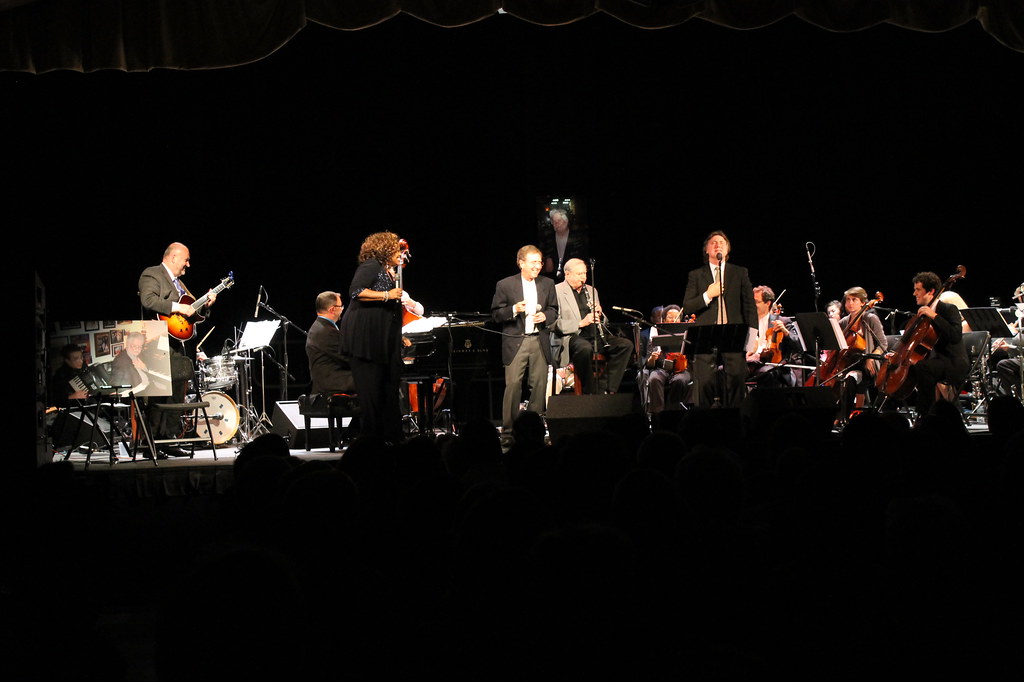
These performances often blur the line between artist and audience. A neighbourhood might witness a flash mob in the market square, a puppet show in a community garden, or a storytelling circle on a street corner. The goal is not perfection but authenticity—a genuine exchange that leaves both performers and spectators changed.
“Live performance is the moment when a community breathes together. It is not about spectacle; it is about shared presence.”
Getting Involved: From Audience to Participant
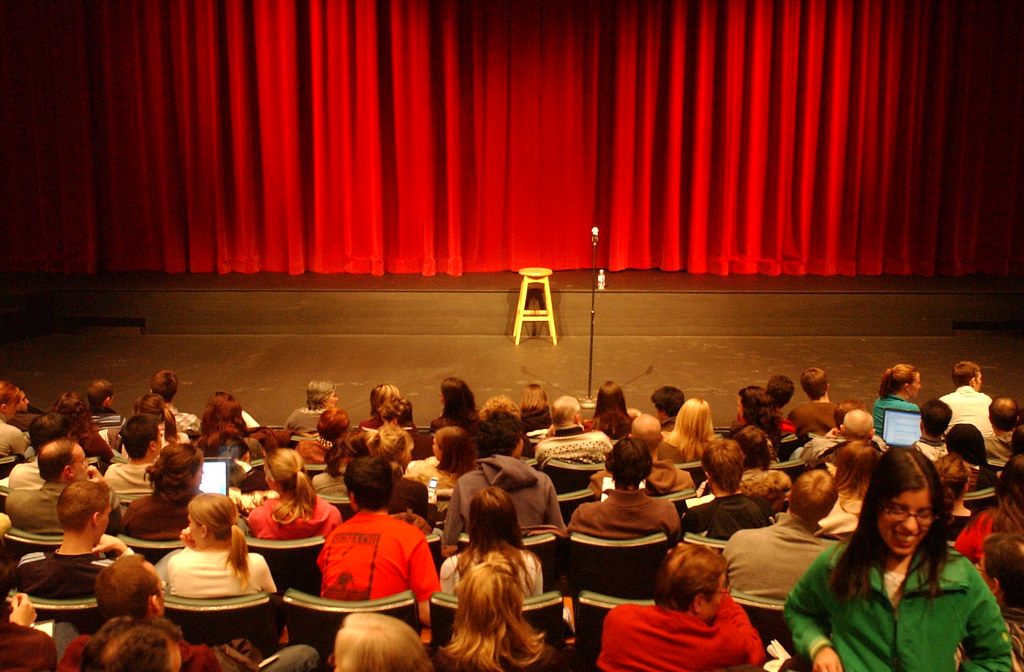
One of the most powerful aspects of live performance within Good Neighbours is its ability to turn passive observers into active participants. The project actively encourages residents to step onto the stage—or into the performance space—in whatever capacity they feel comfortable. This might mean joining a community choir, taking part in a devised theatre piece, or simply sharing a story during an open mic night.
For those who have never performed before, the barrier can seem high. Good Neighbours addresses this by offering low-pressure workshops, rehearsals led by supportive facilitators, and opportunities to contribute behind the scenes—building sets, designing costumes, or managing sound. The emphasis is always on process over product; the experience of creating together is as valuable as the final performance.
Participation is not limited to performers. Audiences are often invited to influence the direction of a piece, whether by voting on an ending, contributing a memory, or responding in real time. This interactivity deepens engagement and ensures that the performance truly belongs to the community.
The Impact on Neighbourhoods and Individuals
The ripple effects of live performance are felt far beyond the event itself. For individuals, taking part can boost confidence, develop new skills, and provide a creative outlet that was previously missing. Many participants report feeling more connected to their neighbours and more invested in their local area after engaging with a performance project.
For neighbourhoods as a whole, the benefits include:
- Increased foot traffic: Performances attract visitors from outside the immediate area, benefiting local businesses and fostering economic vitality.
- Reduced social isolation: Regular events create predictable opportunities for social interaction, which is especially important for elderly residents or newcomers.
- Enhanced sense of place: When performances celebrate local history or idiosyncrasies, they reinforce what makes a neighbourhood unique and worth caring for.
Studies from community arts organisations consistently show that neighbourhoods with vibrant cultural programming experience lower levels of vandalism and higher rates of volunteerism. Live performance, by its very nature, activates public spaces and signals that a community is alive and welcoming.
Challenges and How We Address Them
Organising live performances in community settings is not without its hurdles. Weather, noise complaints, funding shortages, and apathy can all threaten even the best-intentioned events. Good Neighbours has learned to navigate these challenges through careful planning, flexibility, and a commitment to listening to residents.
One common obstacle is the perception that performance is "not for me"—a feeling of cultural exclusion. To counter this, the project works with local artists who understand the community's context and can tailor their work accordingly. Venues are chosen for accessibility, and performances are often free or pay-what-you-can. Scheduling considers the rhythms of neighbourhood life, avoiding times when families are busy with school runs or work commitments.
Another challenge is sustaining momentum. One-off events are valuable, but long-term change requires ongoing programming. Good Neighbours therefore embeds performance into regular activities, linking it to other project strands such as Activities and People. This integration ensures that performance is not an isolated highlight but a consistent thread in community life.
A Look Ahead: The Future of Live Performance in Good Neighbours
As the project evolves, so too does its approach to live performance. New technologies, changing demographics, and the lessons of recent global disruptions have prompted fresh thinking about what performance can be. Hybrid events that blend in-person and digital participation are becoming more common, allowing those who cannot physically attend to still feel involved.
The future also holds exciting possibilities for cross-generational and cross-cultural collaboration. Good Neighbours aims to facilitate performances that bring together young and old, long-time residents and newcomers, traditional forms and contemporary experimentation. By doing so, the project hopes to mirror the true diversity of the communities it serves.
Ultimately, the goal remains unchanged: to use live performance as a tool for building stronger, kinder, more connected neighbourhoods. Whether through a heartfelt ballad on a summer evening or a raucous street parade, performance reminds us that we are not just individuals living side by side—we are neighbours, sharing a stage.
Written by Good Neighbours
← Back to blog